Is a Built-In Smart Induction Hob Worth It for a Modern Kitchen?
Is a Built-In Smart Induction Hob Worth It for a Modern Kitchen?
Key Takeaways
- A built-in smart induction hob combines a flush-fitting cooking surface with induction technology and, depending on the model, connected features.
- Induction cooking heats compatible cookware directly, rather than relying on a conventional heated element.
- Smart features can simplify certain cooking tasks, but their usefulness depends on your cooking habits and the hob’s actual capabilities.
- Cookware compatibility, installation requirements, budget and maintenance should all influence your decision.
A sleek kitchen can look impressive, but the appliances you use every day determine how practical it feels. If you are planning a kitchen renovation in Singapore, a built-in smart induction hob might appeal to you for its minimalist appearance and connected cooking features.
However, is it worth paying more for a smart model, or would a conventional induction hob do the job just as well?
The answer depends on what you expect from your kitchen, how you cook and which features you will genuinely use.
What Makes a Smart Induction Hob Different?
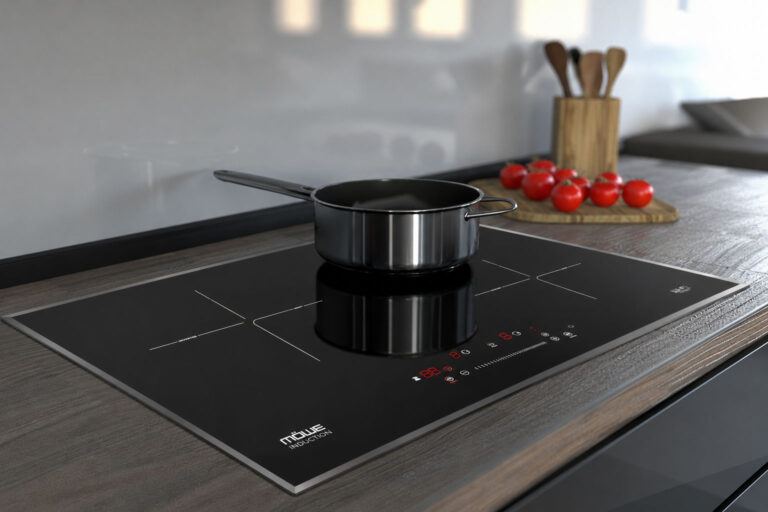
An induction hob uses electromagnetic energy to heat compatible cookware directly. This differs from conventional electric hobs, which heat a cooking element or surface before transferring heat to the pot or pan. The built-in design integrates the hob into the kitchen worktop, creating a more streamlined appearance. The word smart, however, can mean different things depending on the model. Some hobs may offer features such as,
- App connectivity- Depending on the model, you may be able to monitor or adjust certain cooking settings through a compatible smartphone.
- Automatic cooking programmes- Preset functions can help regulate particular cooking tasks.
- Timer controls- These allow you to set a cooking duration and may help reduce the need to watch the clock.
- Cookware detection- Induction technology generally detects compatible cookware before transferring heat to it.
Not every smart hob includes all these functions. Check the manufacturer’s specifications before assuming that a particular feature is available.
When Is a Smart Hob Worth the Investment?
The biggest advantage may not be the technology itself, but how it fits into your daily routine.
You cook regularly and value precise control. Induction hobs offer responsive temperature adjustments, which can be useful when preparing dishes that require changes in heat. Smart controls may add convenience if they suit your cooking style.
You prefer a streamlined kitchen. A built-in hob can integrate neatly with your worktop and surrounding cabinetry. Its appearance will depend on the worktop, layout and overall kitchen design.
You are planning a connected kitchen. If you already use compatible smart appliances, a connected hob may complement your setup. However, check whether it works with your existing devices and preferred smart-home system.
There is also a practical consideration for modern households, in the kitchen space. A built-in hob can create a cohesive worktop arrangement, but the space it saves will depend on the kitchen layout and installation requirements.
What Should You Consider Before Buying One?
Smart features are only useful if the appliance meets your everyday needs.
Before making a decision, consider these factors,
- Cookware compatibility- Induction hobs require compatible cookware, usually with a magnetic base. Check your existing pots and pans before budgeting for a new hob.
- Installation requirements- Confirm the cut-out dimensions, electrical supply, ventilation requirements and any clearance specifications with the manufacturer and installer.
- Cleaning and maintenance- The flat cooking surface is generally straightforward to wipe down, but spills should still be cleaned according to the manufacturer’s instructions.
- Safety features- Look for clearly documented features such as residual-heat indicators, child locks and automatic shut-off, where available.
- Total cost- Compare the purchase price with installation, any necessary electrical work, compatible cookware and potential maintenance costs.
Remember that induction cooking still requires attention. The cookware can become hot, and the glass surface may retain heat from the pan even though induction does not heat it in the same way as a conventional electric element.
Would a Standard Induction Hob Be Enough?
Not every household needs a connected cooking appliance. If you mainly boil water, prepare simple meals or prefer straightforward controls, a standard induction hob may meet your needs without the additional cost of smart features.
On the other hand, if you regularly cook multiple dishes, appreciate programmable settings or want your appliances to work within a connected kitchen setup, selected smart functions may justify the difference in price. The key is to compare specific models rather than assuming that a higher price automatically means a more practical appliance.
Frequently Asked Questions
Does a smart induction hob work with any pot or pan?
No. It generally requires cookware with a compatible magnetic base. Check the manufacturer’s compatibility guidance before purchasing.
Does a smart induction hob use less electricity?
Induction cooking is generally more energy-efficient than conventional electric resistance cooking because heat is transferred directly to compatible cookware. Actual electricity consumption depends on cooking duration, power settings, cookware and usage habits.
Can I install a built-in induction hob in an existing kitchen?
Often, yes, but it depends on the available worktop space, cut-out dimensions, electrical supply and installation requirements. Have these checked before purchasing the appliance.
Can I control a smart induction hob remotely?
Some models support app-based controls, while others offer only on-appliance controls or limited connectivity. Check which functions are available and whether remote operation is supported by the manufacturer.
Is a smart induction hob suitable for a small Singapore kitchen?
It can be, provided the hob’s dimensions and installation requirements suit the available space. Consider the number of cooking zones you need and whether the surrounding worktop will remain practical for food preparation.
Schedule a Consultation to Find the Right Addition to Your Kitchen
A built-in smart induction hob can be a worthwhile investment if its cooking functions, design and connected features match your household’s needs. If you would rarely use the smart functions, a conventional induction hob may be a more sensible choice.
Before finalising your kitchen plans, explore the cooking appliances available from Mowe and compare their specifications, installation requirements and features. Choosing an appliance that fits your cooking habits and kitchen layout can help you make a more informed decision for your home.
RECENT POST