What Features Should You Look for in a Smart Gas Water Heater?

What Features Should You Look for in a Smart Gas Water Heater?
Having to wait for hot water before taking a shower can be inconvenient, especially when you are getting ready for work or managing a busy household. Traditional electric storage water heaters heat and store water in a tank, which means they may require time to reach the desired temperature.
A smart gas water heater offers an alternative by combining instant water heating with digital controls and connected features. Beyond convenience, piped town gas-powered water heating appliances may also offer potential energy cost and carbon emissions savings compared with electric storage heaters.
However, not all models offer the same capabilities. If you are considering upgrading your bathroom’s water heating system, here are six important features to look for when choosing a smart gas water heater.
Instant Heating for Hot Water on Demand
One of the main features to consider is instant heating.
Unlike conventional electric storage water heaters that heat and store water in a tank, an instant gas water heater heats water as it flows through the unit. This means you do not have to wait for a tank to reheat before enjoying hot water.
For households with multiple occupants, this can make everyday routines more convenient. Family members can enjoy hot showers without having to plan around a storage tank’s heating cycle.
The actual delivery time still depends on the distance between the heater and shower, as water already sitting in the pipes needs to flow out first.
When comparing models, check their heating capacity and flow rate to determine whether they can support your household’s hot water requirements.
Digital Temperature Display and Precise Controls
Another useful feature is a digital temperature display.
Rather than relying entirely on manual adjustments, a digital display allows you to see the selected water temperature clearly. This makes it easier to adjust your preferred settings before or during a shower, depending on the model.
Consistent temperature regulation is particularly useful in households where family members have different preferences.
When choosing a smart gas water heater, consider whether it offers:
A clear digital temperature display.
Convenient temperature adjustment controls.
A suitable temperature range for household use.
Temperature regulation under normal operating conditions.
These features can make everyday water heating easier to manage.
Built-in Safety Features and Automatic Shut-Off
Safety should be one of your main considerations when selecting a gas water heater.
As these appliances use gas to generate heat, they should incorporate appropriate safety mechanisms to manage potential operating issues.
Look for features such as automatic shut-off protection, which may stop the appliance when certain abnormal operating conditions are detected.
Other safety mechanisms to check include:
Flame failure protection: Stops the gas supply if the flame goes out unexpectedly.
Overheating protection: Helps prevent the appliance from operating beyond its intended temperature limits.
Water pressure protection: Helps manage abnormal water pressure conditions.
Fault detection: Identifies certain operating issues that may require attention.
The exact protections vary between models, so review the manufacturer’s specifications rather than assuming every gas water heater includes the same features.
Proper installation, adequate ventilation and regular servicing by qualified professionals are also essential for safe operation.
App Connectivity for Smarter Control
What makes a smart gas water heater different from a conventional instant gas water heater is its connected functionality.
Some models offer app connectivity, allowing users to interact with the appliance through a compatible smartphone application.
Depending on the available functions, this may allow you to manage settings or access information about the water heater without relying solely on its physical controls.
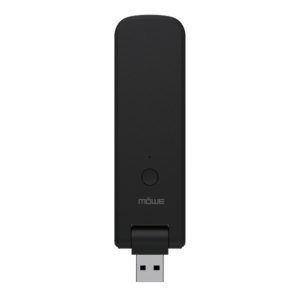
Before choosing a model, check whether it offers Wi-Fi connectivity, which settings can be adjusted through the application and whether additional equipment is required.
Remember that app connectivity does not automatically mean every function can be controlled remotely. Check the manufacturer’s specifications to understand exactly what is supported.
Energy Efficiency, Cost Savings and Lower Carbon Emissions
Beyond convenience, energy efficiency is another important factor when comparing water heaters.
Piped town gas-powered heating appliances offer potential savings compared with electric storage water heaters. According to a 2019 study commissioned by Singapore’s National Environment Agency (NEA), households could save up to $1,200 in utility costs over the gas water heater’s lifespan when switching from an electric storage model. The actual savings depend on household usage and the appliances being compared.
There may also be environmental benefits. A study conducted by Professor Lee Siew Eang of the National University of Singapore (NUS) found that using a gas water heater can result in approximately 80% lower carbon emissions compared with an electric storage water heater.
These differences are partly related to how each appliance heats water. Electric storage heaters maintain a supply of heated water in a tank, resulting in standby energy losses. Instant gas water heaters heat water as it flows through the appliance.
When comparing models, look at their energy efficiency ratings and consider your household’s typical hot water consumption. NEA also recommends checking the energy label when purchasing a water heater to make a more informed decision.
Heating Capacity and Installation Requirements
A water heater should suit the number of people using it and their daily routines.
If your household regularly uses multiple showers, consider the heater’s heating capacity and flow rate. A unit that cannot adequately support your household’s hot water demand may struggle to maintain the desired temperature when water usage increases.
Also consider the physical dimensions and installation requirements. Check whether there is sufficient space, appropriate ventilation, a compatible gas supply and adequate water pressure.
For homeowners in Singapore, the availability of piped town gas and the suitability of existing plumbing are important considerations. Have a qualified professional assess your bathroom setup before purchasing or arranging installation.
Frequently Asked Questions
1. How does a smart gas water heater differ from a traditional gas water heater?
A smart gas water heater combines instant water heating with additional digital or connected features, such as temperature displays and app connectivity. The exact functions depend on the model.
2. Does a smart gas water heater need Wi-Fi to produce hot water?
Not necessarily. Its basic heating function may operate independently of Wi-Fi, while connected features may require an internet connection or compatible application.
3. Is a smart gas water heater more energy-efficient than an electric storage water heater?
Gas water heaters may offer lower energy costs and carbon emissions compared with electric storage models. However, actual savings depend on usage patterns, energy prices and the appliances being compared.
Set the water temperature just the way you like it
Choosing a water heater involves more than deciding how quickly it can heat water. Temperature control, safety mechanisms, heating capacity and smart connectivity all contribute to the overall experience.
With instant heating, a digital temperature display, safety shut-off and app connectivity, Möwe’s smart gas water heater brings together practical features designed to make managing hot water at home more responsive.
Get hot water when you need it without waiting for a storage tank to heat up. Explore Möwe’s smart home solutions and discover how thoughtful technology can make everyday living more convenient.
RECENT POST